Call of the Redeemer
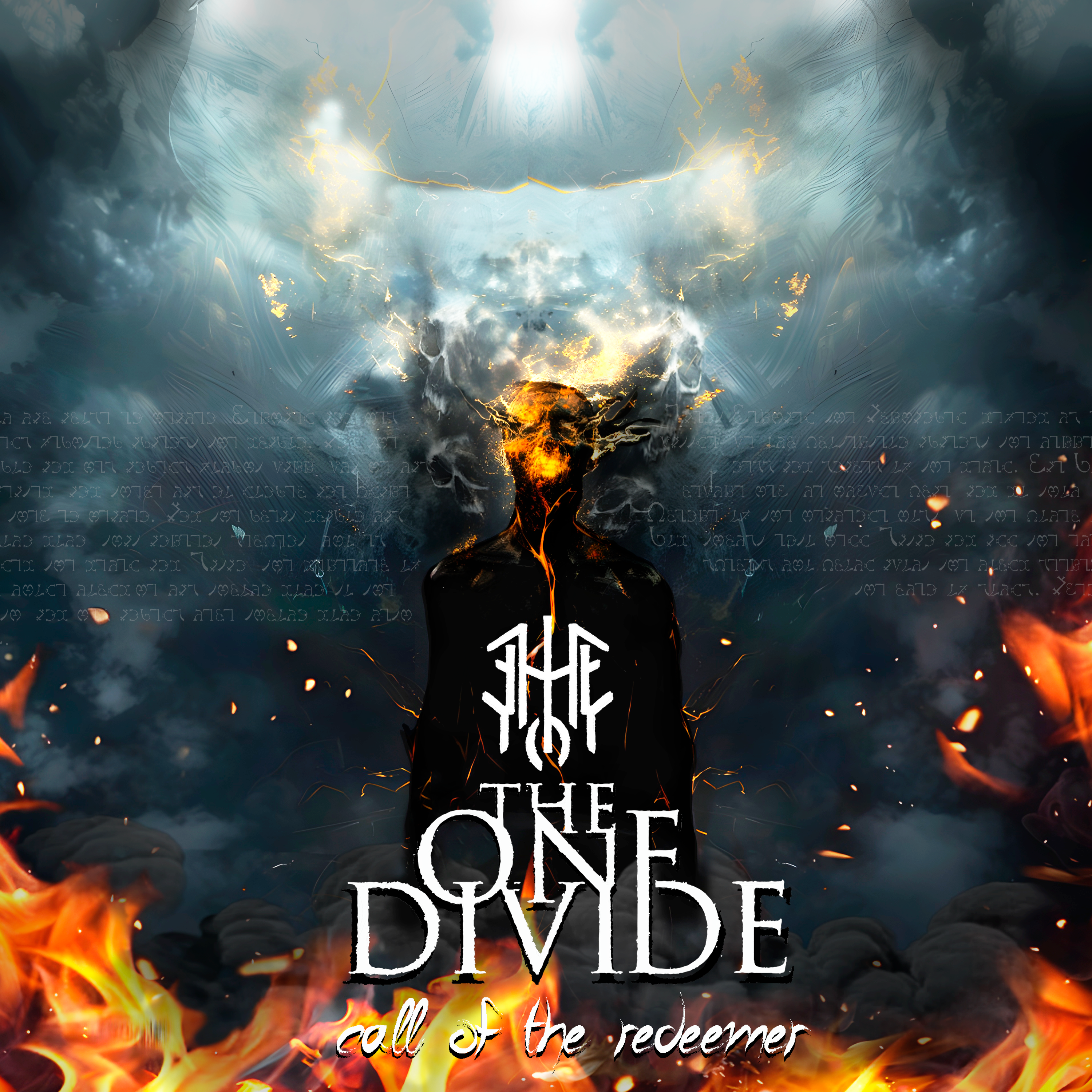
It’s done. After years of mixes collapsing like cardboard houses in the rain, a song finally stands with decent produciton. Call of the Redeemer is out in the world.
The numbers aren’t Metallica-big, but they’re real. Spotify finally shows life — followers growing, monthly listeners climbing past the ghost-town digits of old. On Instagram, people aren’t just scrolling by, some of them are reacting. And then came Metalverse. A review from an established metal specialized website. Positive. Someone out there — outside my own four walls — actually got what I am trying to build. Lol.
That’s the miracle. Not streams. Not stats. The validation that this sound, my sound, can hold weight beyond my hard drive.
The song itself is no accident. It’s the product of years clawing through EQ curves, sidechain compression, IR blending, stereo widening tricks — every inch of tech and taste I scraped together. Guitars that once fizzed out like soda water now roar. Drums no longer clatter like typewriters, they punch. Vocals sit where they belong, not taped on top, not vanishing below. For the first time, I can hit play without flinching.
But the real difference isn’t technical. It’s psychological. Before this release, everything was theory, training, drafts. Now there’s evidence. A song alive, streaming, reviewed. I can point to it and say: this is the proof. The One Divide is no longer just a bedroom project.
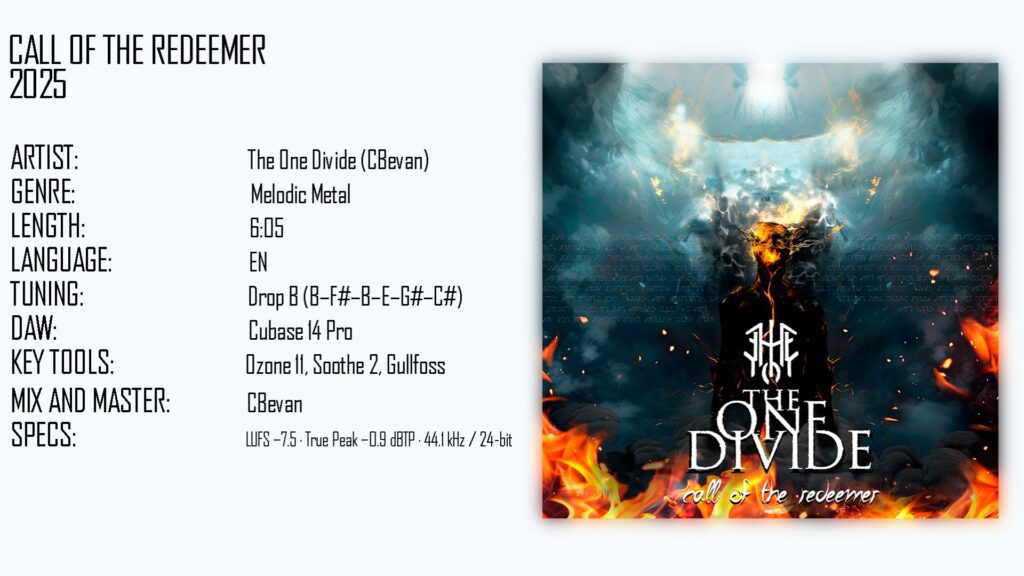
Call of the Redeemer isn’t just a track title. It’s the moment the project redeems years of collapse, ridicule, silence. I’ve carried this weight since Implode limped out broken in 2022. Now, three years later, I finally feel like I’ve stepped onto the field for real.
And yes — the flaws are still there. The mix isn’t perfect. The production still leaves room for improvement. But this time the flaws don’t feel like shame, they feel like fuel. The kind of flaws you fix by building, not by quitting.
For the first time, the war doesn’t feel like endless training. It feels like battle. The fun part.